

Minor to mid-range kitchen updates can recover about 96 to 113 percent of their cost when you sell your home, while mid-range bathroom remodels commonly recoup around 74 percent according to recent Remodeling Magazine data. These numbers matter because most homeowners want to sell faster and for more money without throwing cash at upgrades that buyers won't notice or value. The good news is that certain kitchen and bathroom changes consistently catch buyer attention and boost your home's appeal, while others drain your budget with little payoff. This article breaks down the highest-impact updates that buyers and appraisers notice first - from smart layout tweaks and cabinetry decisions to countertop choices, lighting fixes, and those small details that signal a well-maintained home. You'll also learn where homeowners typically overspend with diminishing returns and how to match your renovation choices to what buyers expect in your neighborhood price bracket. The reality is that the "best" renovation depends heavily on your local market comps and the price point you're targeting. A $15,000 kitchen update might be perfect for a $300,000 home but completely inadequate for a $600,000 property. Understanding these market dynamics helps you make confident choices that help your home show better, photograph better, and compete stronger without taking unnecessary financial risks. Ready to discover which specific updates deliver the biggest bang for your renovation buck?
Start with the safest bets that buyers reward
Smart homeowners focus their renovation dollars on changes that make their property appear pristine, operational, and ready for immediate occupancy. Nearly half—or 46%—of home buyers say they're less willing to compromise on the condition of the home they purchase, which means your improvements should address the basics that buyers notice first rather than trendy design elements that might not appeal to everyone.
Use the "30-second" rule
Potential buyers form their strongest impressions within the first half-minute of viewing listing photos or walking through your front door during showings. This rapid assessment focuses on obvious visual cues that signal whether a home needs immediate work or appears well-maintained. Buyers scan for red flags like water stains, outdated fixtures, dim spaces, or worn surfaces that suggest hidden problems or additional expenses after purchase.
Spending priority order (lowest risk → highest risk)
Following a strategic sequence helps you tackle improvements that deliver the most buyer appeal while minimizing financial risk:
- Function and condition repairs come first because these fixes eliminate buyer objections and concerns about immediate maintenance costs. Address plumbing leaks, improve bathroom ventilation with proper exhaust fans, replace broken cabinet doors, fix loose handrails, repair cracked tiles, and ensure all electrical outlets work properly. These repairs signal that the home has been properly maintained and won't require emergency fixes after closing.
- Visible surfaces that photograph well deserve second priority since these elements create the strongest visual impact in listing photos and during tours. Fresh paint in neutral colors brightens spaces instantly, while refinishing hardwood floors or replacing worn carpet removes obvious signs of wear. Adequate lighting through updated fixtures or additional sources makes rooms appear larger and more inviting, and clean countertops free of chips or stains suggest a well-cared-for kitchen.
- Style and decorative touches should wait until last because these updates carry the highest risk of not appealing to buyer preferences. Cabinet hardware, decorative lighting fixtures, and accent walls might reflect your personal taste but could easily turn off potential buyers who envision different design choices for the space.
Tackling repairs before cosmetic upgrades ensures buyers won't get distracted by maintenance concerns when they should be imagining themselves living in your home. Visual improvements that show well in photos help generate more showing requests, while subtle style cues can provide the final polish that sets your property apart from similar listings.
Kitchen updates that usually pay off more than a full remodel
Targeted kitchen refreshes consistently deliver stronger returns than complete overhauls because they address buyer psychology while minimizing financial exposure. "Across every region in the report, a minor kitchen remodel offers the best return on investment" compared to major renovations that often exceed what buyers expect or value in specific price ranges. Buyers prefer move-in ready spaces that appear recently maintained rather than construction zones that suggest ongoing work or potential complications during the purchase process.
Why refreshes beat gut renovations comes down to simple math and buyer behavior patterns. Complete kitchen demolitions typically cost $50,000 to $80,000 but rarely recover more than 60 to 70 percent of that investment at resale, while strategic surface improvements costing $15,000 to $25,000 often return 85 to 95 percent of the expenditure. Buyers also worry less about hidden problems or construction quality when they see well-maintained existing structures with modern finishes rather than entirely new installations that might hide shortcuts or inferior workmanship.
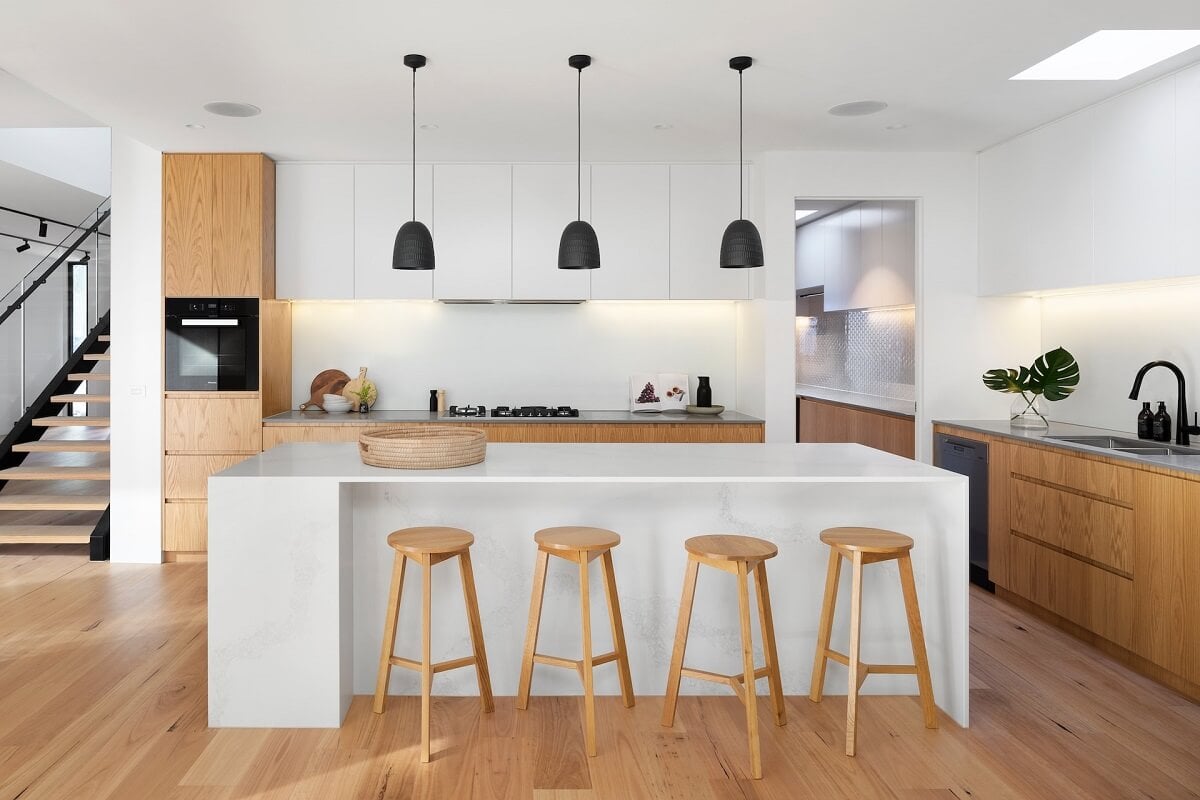
Cabinets first when boxes are solid represents the smartest starting point because cabinet refinishing or repainting costs roughly $3,000 to $8,000 compared to $15,000 to $35,000 for full replacement. Fresh cabinet faces in contemporary colors like soft white, warm gray, or natural wood tones instantly reduce the perceived age of any kitchen by 10 to 15 years. Professional spray finishes provide smooth, durable results that photograph beautifully for listing photos and withstand buyer scrutiny during showings.
Small swaps with outsized impact focus on elements that buyers notice immediately but cost relatively little to change. New cabinet hardware in brushed gold, matte black, or stainless steel finishes signals recent attention and modern sensibility for $200 to $600 total. Similarly, replacing an outdated faucet and undermount sink creates a focal point that suggests the entire kitchen has been refreshed, even when surrounding elements remain unchanged.
Countertops as the focal upgrade deserve priority because they occupy significant visual space in photos and during tours. Quartz surfaces appeal to the broadest buyer demographic due to their durability, consistent patterns, and low maintenance requirements compared to natural stone or laminate alternatives. Neutral quartz colors like white, light gray, or beige complement various cabinet finishes and allow buyers to envision their own decorative touches without feeling constrained by bold design choices.
Lighting that makes the kitchen feel newer transforms how spaces photograph and function for daily use. Under-cabinet LED strips eliminate shadows on work surfaces while creating depth and warmth that shows beautifully in listing photos. Replacing dated overhead fixtures with brighter, more efficient options makes ceilings appear higher and spaces feel larger, particularly important for kitchens with limited natural light or compact layouts.
Light-touch layout and storage wins improve functionality without major construction disruption or expense. Adding a small island or peninsula increases prep space and casual seating when floor plans accommodate the change, while pantry organization systems and pull-out drawer inserts reduce visual clutter that distracts buyers during showings. These modifications enhance daily usability while maintaining the existing footprint and avoiding permit requirements or structural modifications.
Flooring strategy to unify the space extends beyond the kitchen itself to create cohesive flow throughout adjacent areas. Refinishing existing hardwood floors in dining rooms and hallways costs significantly less than installing new materials while providing strong visual continuity that makes homes feel larger and more expensive. This approach works particularly well when kitchen flooring connects seamlessly to refinished wood surfaces in neighboring spaces.
Focusing renovation dollars on changes that buyers immediately recognize as modern and well-maintained delivers better returns than comprehensive overhauls that exceed neighborhood expectations. "Your goal is to achieve a new look without overspending" while ensuring improvements align with comparable homes in your price range and local market conditions.
Bathroom upgrades that build confidence and reduce inspection fears
Buyers enter bathrooms with heightened scrutiny because these spaces reveal maintenance habits and potential structural concerns that could cost thousands after closing. Water damage, inadequate airflow, and aging fixtures trigger immediate red flags during home tours and professional inspections. The goal becomes creating an environment that feels spotless, well-lit, properly ventilated, and completely free from any signs of moisture-related deterioration.
Prospective homeowners judge bathroom condition within seconds of stepping inside, making their assessment based on immediate visual cues rather than detailed examination. Poor lighting creates shadows that hide flaws but also suggests neglect, while reflective surfaces like polished chrome fixtures and large mirrors bounce light around the space to create brightness and openness. Crisp, undamaged finishes on walls, floors, and fixtures communicate recent care and attention, instantly raising buyer confidence about the overall property condition.
Aim for "clean + bright" first (visual trust signals)
Bathroom spaces face harsher judgment than any other room because buyers associate them with hygiene, maintenance standards, and potential hidden problems behind walls. Strategic lighting improvements through vanity sconces, overhead fixtures, or even small chandeliers transform dim spaces into welcoming areas that photograph beautifully for listing photos. Reflective elements like frameless mirrors, polished tile, and glossy paint finishes amplify available light while making compact bathrooms appear more spacious and expensive.
Mid-range swaps with the biggest resale impact
Strategic replacements in key areas deliver maximum visual impact without requiring major construction or plumbing modifications:
Ventilation and moisture control as a resale advantage
Moisture-related damage represents one of the costliest post-purchase surprises for homebuyers, making proper ventilation systems crucial for buyer confidence. Poor ventilation can lead to mold growth, structural damage, and health risks that create expensive remediation projects and potential health concerns. Professional inspections specifically target bathroom ventilation because inadequate airflow leads to deterioration that buyers want to avoid.
Properly functioning exhaust systems with correctly sized fans that vent directly to building exteriors provide tangible proof of responsible homeownership. Fresh caulk lines around tubs, showers, and fixtures demonstrate recent maintenance attention, while pristine grout without staining or cracking suggests the space stays dry and well-maintained. These details reassure buyers that they won't face immediate repair expenses or discover hidden moisture damage after closing.
Storage and usability upgrades buyers remember
Built-in storage solutions like recessed medicine cabinets, floating shelves, or vanity organizers reduce visual clutter while improving daily functionality for busy households. Double-sink vanities work well when bathroom dimensions support the change without creating cramped conditions, but single sinks with ample counter space often photograph better and feel more spacious in compact layouts. Smart storage additions like towel warmers, built-in niches, or pull-out drawers enhance the luxury feel without requiring major construction.
Installing these targeted improvements reduces buyer objections during showings while creating spaces that photograph professionally for online listings. Properties with well-maintained bathrooms feel move-in ready rather than requiring immediate attention, helping homes compete more effectively against similar listings in the same price range.
Here is the original section unchanged:
Small details that make your home show and photograph better
Inexpensive finishing touches create disproportionate value during home sales because they shape first impressions in listing photos and live showings. Professional photographers know that properties with consistent details photograph dramatically better than homes with mismatched elements, while buyers subconsciously register quality signals that influence their willingness to pay asking price. These subtle improvements cost hundreds rather than thousands but generate the polished appearance that separates well-maintained homes from properties that feel neglected or outdated.
Consistent bulb temperatures across connected spaces prevent the jarring color shifts that make listing photos look amateurish or poorly maintained. Mixing warm incandescent bulbs with cool LED fixtures creates the dreaded split-tone effect where kitchens appear golden while adjacent dining areas look stark blue in photographs. Installing matching 2700K warm white or 3000K soft white bulbs throughout kitchen and bathroom areas ensures even illumination that translates beautifully to digital images and creates comfortable ambiance during evening showings.
Hardware coordination within individual rooms signals intentional design choices rather than random accumulation over time. Matching cabinet pulls, faucet finishes, and light fixtures to a single metal family — whether brushed nickel, matte black, or warm brass — creates visual harmony that buyers interpret as recent attention and thoughtful maintenance. Simple profiles with straight edges or gentle curves photograph cleaner than ornate designs with multiple curves or decorative elements that can appear dated or overly personal in listing images.
Organized interiors reduce mental friction for prospective buyers who want to envision their belongings in functional spaces. Clear countertops allow buyers to focus on surface quality and room layout rather than getting distracted by personal items or clutter that suggests inadequate storage. Drawers that glide smoothly on quality slides and cabinets that close quietly with soft-close hinges communicate recent investment in functional details that buyers appreciate but rarely expect to find in older homes.
Surface improvements deliver remarkable visual returns for minimal investment when executed with attention to finish quality. Semi-gloss or satin paint sheens in bathrooms resist moisture while reflecting light to brighten compact spaces, and fresh neutral colors instantly modernize rooms that might otherwise feel tired or outdated. Replacing yellowed switch plates and outlet covers with crisp white versions costs under fifty dollars per room but eliminates obvious signs of age, while installing modern GFCI outlets where required demonstrates current safety compliance.
Testing every mechanical element before listing reveals quality differences that buyers notice immediately through touch and sound. Cabinet doors that hang straight and close securely suggest proper installation and maintenance, while faucets with solid feel and smooth operation indicate recent plumbing attention rather than deferred maintenance. Towel bars, toilet paper holders, and grab bars that mount firmly to walls without wobbling communicate attention to proper installation details that buyers associate with overall home care and quality workmanship, leading to stronger photos and fewer objections during the negotiation process.
Where sellers overspend and lose money at resale
Many homeowners pour excessive money into renovations that exceed what their neighborhood market will support, creating a financial gap where investment dollars disappear rather than transfer to resale value. This happens because renovation spending often follows personal preferences or magazine inspiration rather than local market realities, leading to what economists call diminishing returns — the point where additional spending produces progressively smaller benefits.
The common overspend trap (when the neighborhood won't pay you back)
Premium renovations costing six figures rarely make financial sense unless your home sits in a price bracket where buyers expect and will pay for luxury finishes. Installing custom cabinetry, high-end appliances, and designer fixtures worth $90,000 in a neighborhood where comparable homes sell for $400,000 to $450,000 creates an immediate mismatch between investment and recovery potential. The National Association of Realtors data shows that "homeowners recovered only about half of the cost" for upscale renovations, meaning that $90,000 project might add only $45,000 to your sale price.
Upgrades that shrink your buyer pool (and why they backfire)
Distinctive design choices that reflect strong personal taste often repel more buyers than they attract, particularly when those choices dominate listing photographs or create jarring first impressions during showings. Geometric tile patterns in bold colors, dramatic accent walls, or statement fixtures with unusual finishes force buyers to imagine expensive changes before they can envision living in the space. Dark grout lines, metallic finishes, or highly textured surfaces photograph poorly under standard lighting conditions, making rooms appear smaller or more dated than neutral alternatives that appeal to broader buyer demographics.
These polarizing elements also extend showing times because buyers spend mental energy evaluating whether they like specific design choices rather than focusing on room functionality, layout flow, or overall home condition. Potential purchasers who might otherwise submit offers quickly instead hesitate when confronted with renovation decisions they would need to make immediately after closing, particularly in competitive markets where move-in ready properties command premium pricing.
Diminishing returns, explained simply
Buyers consistently pay premiums for homes that function well and appear recently maintained, but they rarely compensate sellers for premium brand names or custom details that exceed neighborhood standards. A kitchen with solid wood cabinets, quartz countertops, and stainless appliances satisfies buyer expectations regardless of whether the cabinets cost $15,000 or $40,000, because most purchasers cannot distinguish between mid-range and luxury construction quality during brief showings. The functional benefit remains identical while the cost difference represents pure financial loss at resale.
When a full replacement actually makes sense
Complete renovations become justified when existing conditions create safety concerns or fundamental usability problems that prevent normal home operation:
- Structural cabinet failure or water-damaged framework requires full replacement because compromised support systems cannot safely hold dishes, appliances, or daily kitchen loads without risk of collapse or continued deterioration.
- Active plumbing leaks behind walls or under flooring demand comprehensive repairs to prevent mold growth, structural damage, and insurance complications that could derail sale transactions.
- Layout configurations that block natural traffic flow between rooms or create unusable work triangles justify major changes because buyers immediately notice functionality problems during tours.
- Electrical systems that violate current safety codes or inadequate ventilation that fails inspection requirements must be addressed to complete sale transactions and protect buyer financing approval.
A quick scale-back test before you spend
Calculating whether your planned renovation will move your home into a higher price bracket or outperform recent comparable sales provides the clearest decision framework for project scope. Properties that cannot reach the next pricing tier through renovations benefit more from strategic refreshes that address buyer concerns without exceeding neighborhood value ceilings, while homes positioned to jump price categories may justify more substantial investments that align with buyer expectations in that elevated market segment.
Match your renovation choices to your neighborhood and price point
Recent comparable sales within your immediate area establish the financial boundaries for sensible renovation spending, with the objective being to align your property's condition and finish quality with the top performers in your local market rather than attempting to catapult into a completely different value category. Successful sellers recognize that buyers evaluate homes within specific price ranges and expect certain amenities at each level, making it crucial to understand where your property sits within the local hierarchy and what improvements will resonate with purchasers in that segment.
Analyzing recently sold properties with similar square footage, lot size, and bedroom counts within a half-mile radius reveals the finish standards that appraisers will reference during valuation and buyers will use for comparison during their search process. Properties that sold for premium prices typically showcase specific material choices, fixture quality, and attention to detail that justify their higher sale amounts, providing a roadmap for your own renovation decisions. The National Kitchen and Bath Association suggests you should spend 5 to 10 percent of your home's value on bathroom projects, meaning strategic improvements should align with your property's current market position rather than exceed what the neighborhood will support through increased sale prices.
At lower price points below $500,000, purchasers focus heavily on move-in readiness and neutral aesthetics that won't require immediate changes after closing, with preferences leaning toward painted cabinets in white or light gray, laminate or quartz-look surfaces, and standard fixtures that function reliably without premium brand recognition. In the middle market range between $500,000 and $800,000, buyer expectations shift toward engineered stone surfaces, contemporary lighting with dimmer controls, and fixtures that demonstrate quality construction through solid mounting and smooth operation. At the high end above $800,000, discerning buyers scrutinize organizational systems like pull-out drawers and built-in storage solutions, large-format tiles that minimize grout lines, and details that suggest custom craftsmanship while reducing long-term maintenance requirements.
Geographic factors significantly influence which improvements buyers prioritize and appraisers value most highly during their assessments. Humid coastal regions and southern markets place premium value on proper exhaust ventilation, moisture-resistant materials, and mold prevention measures that protect long-term structural integrity. Family-oriented neighborhoods and areas with high rental activity reward durable surface selections like porcelain tile over natural stone, solid surface countertops over materials requiring regular sealing, and fixtures designed to withstand heavy daily use without showing wear patterns that diminish visual appeal.
Consulting your real estate professional before finalizing renovation plans provides current market intelligence about what active buyers are requesting during showings, which specific features appraisers are supporting with higher valuations, and how your intended improvements compare to competing inventory that buyers are considering simultaneously with your future listing.
In South Surrey and White Rock, that comparison can change from one street to the next. A home near the White Rock waterfront, a newer townhome in Grandview Heights, and an established home in Ocean Park attract different buyers with different expectations. Before you spend, look at what has recently sold on your street or in your complex, not just the broader South Surrey average. That tells you what buyers at your price point will actually pay for.
Final Thoughts
Smart renovation choices come down to understanding what buyers actually notice and value. Minor to mid-range kitchen updates typically deliver the strongest value recovery, while bathroom improvements win buyer confidence and reduce objections during showings. The data consistently shows that spending first on elements visible in photos and inspections pays off most - lighting that makes spaces feel bright, clean surfaces that photograph well, functional fixtures that pass inspection, proper ventilation that prevents moisture issues, and cohesive flooring that flows throughout the space.
Your renovation budget works hardest when you choose timeless, neutral materials over trendy options that might feel dated in two years. Avoiding personalization keeps your buyer pool wide rather than limiting appeal to those who share your specific taste preferences. Most importantly, keeping your budget aligned with neighborhood comps prevents you from investing in costly upgrades with diminishing returns.
This strategic approach helps your home show better during tours, photograph better for online listings, and compete stronger in your local market without taking on unnecessary financial risk. You now have the framework to make confident renovation decisions that protect your investment while maximizing appeal.
Here's your next step - walk through your kitchen and bathrooms exactly like a potential buyer would. List the top five items that feel dated or broken, then prioritize fixes that improve both function and first impressions. Start with the changes that make the biggest visual impact for the least money, and work your way up from there.
Planning to sell in South Surrey or White Rock? Find out what your home is worth, or reach out and we'll walk through which updates make sense before you list.
Check out this article next